The deliverable

A clear inventory opportunity report.

Written for the people who already manage stock — not a dashboard they have to learn, and not a black box they have to trust.

What the shop receives

Findings you can walk the aisle with.

  • SKU demand classification for the sample
  • Seasonally adjusted usage, not a single historical average
  • Bulk and outlier transactions flagged
  • Suggested replenishment parameters for review

Classification comes first. Once an item is a runner, seasonal, intermittent, project, or slow mover, the recommendation follows that behaviour. A commissioning spike is not treated like everyday demand. A one-time project buy is not treated like a new run rate.

Suggested mins, maxes, and review flags are starting points. Your team keeps the final decision on every line.

What we can measure

Four questions the report is built to answer.

Stockouts

Are priority items available when commissioning and haul-out hit?
Inventory dollars

Where is cash sitting in slow, dead, or overstated stock?

Inventory turns

Which items move efficiently, and which only look busy because of a bulk order?

Buyer time

How much of the spreadsheet work can be reduced before a human reviews it?

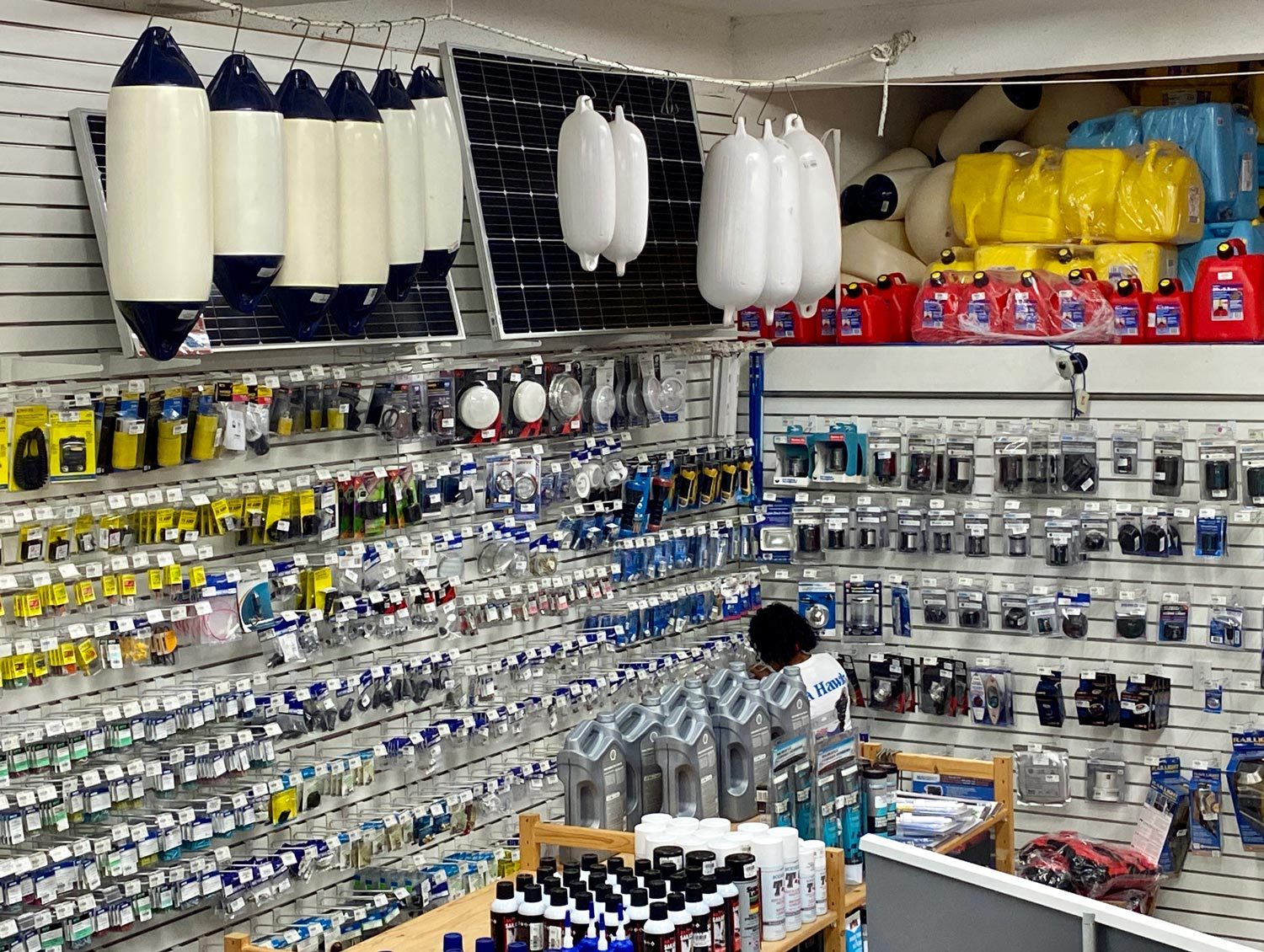
Chandlery shelves with fenders, oil, and packaged marine parts

After the report

Use it, ignore it, or take a wider sample.

Some shops stop at the first 200 SKUs and tighten a handful of lines. Others expand the sample once they have seen the classifications. Either way, the next move is yours.

If you later want the same rules applied on a schedule, we can talk about that after the pilot has earned it. The diagnostic does not assume that conversation.

Ask about a first sample